Whimsical Daisy Flower Embroidery Review
As a designer who spends more time looking at stitch direction than actual fabric, I approach every new machine embroidery design with a healthy dose of skepticism. The market is flooded with generic patterns that look charming in a digital preview but fall apart when the needle hits the cloth. Recently, I pulled up the Whimsical Daisy Flower file to evaluate its potential for real-world application. My goal was simple: determine if this piece from the Single Flowers Plants category holds up as a viable asset for custom apparel, boutique merchandise, and personalized gifts.
First Impressions and Visual Personality
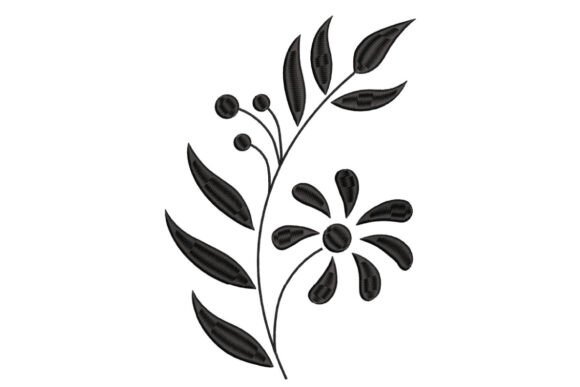
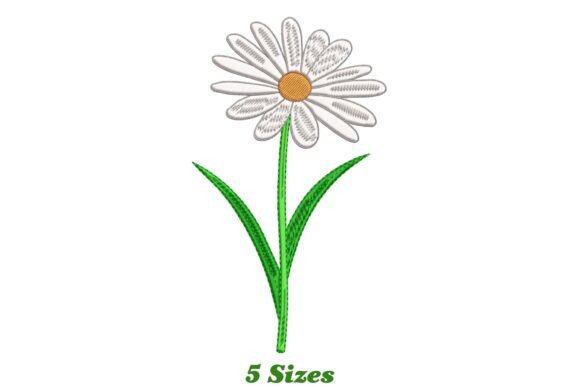
The moment you open the file, the mood is immediately established. This isn’t a stiff, formal botanical illustration; it is playful, lighthearted, and distinctly whimsical. The layout feels organic, suggesting a daisy that has just been picked and tossed onto a surface. For designers targeting the handmade market, this personality is crucial. It signals to the buyer that the item is fun and accessible, rather than overly serious or traditional.
Visually, the design relies on a balance of shapes. There are clear petals that likely utilize a satin stitch for definition, surrounded by areas that might use fill stitches to create volume. The "whimsical" aspect comes through in the slight asymmetry often found in these types of designs, which adds character. When I visualized this on a cream-colored canvas tote bag, it popped beautifully. On a dark navy sweatshirt, however, I immediately thought about the need for high-contrast thread colors to maintain that cheerful vibe.
Real-World Application Scenarios
To truly test a design, you have to imagine it on a finished product. Here is how I see the Whimsical Daisy Flower performing in specific scenarios:
- Custom Apparel and Sweatshirts: This design shines on casual wear. Placing it over the heart of a crewneck sweatshirt creates an instant classic look. It works equally well as a larger statement piece on the back of a hoodie. The whimsical nature pairs perfectly with soft, worn-in fabrics.
- Tote Bag Design: As mentioned, this is a natural fit. A large-scale placement on a sturdy cotton canvas bag elevates a basic accessory into a fashion item. It appeals strongly to students, artists, and anyone looking for a unique carry-all.
- Baby Embroidery and Nursery Decor: The gentle, friendly aesthetic makes this ideal for baby clothes, burp cloths, or nursery wall hangings. Parents often look for items that feel safe and sweet, and this design delivers that emotional connection without being cloying.
- Kitchen Towels and Aprons: In the home decor space, this adds a touch of spring to any kitchen. It works well on tea towels or as an accent on a baker’s apron. It suggests a lifestyle of cooking and crafting, which resonates with hobbyists.
- Etsy Seller and Small Shop Product: For digital product sellers or physical goods creators, this design offers versatility. It can be used as a standalone embroidery project or combined with other elements to create a collection. Its broad appeal means it fits into many niches, from boho chic to modern farmhouse.
Technical Considerations and Stitch Clarity
While the visual appeal is strong, the true test lies in the stitching. When evaluating any embroidery file, I always look at the implied stitch density. Designs labeled as "whimsical" sometimes suffer from thin, sparse stitching that fails to cover the fabric properly, especially on textured materials.
With the Whimsical Daisy Flower, the petal definitions appear robust enough to hold their shape. However, if this design uses a lot of running stitch for detail work, it may require careful tension adjustments. If it relies heavily on fill stitch, ensuring proper underlay is critical to prevent puckering. I recommend checking the stitch count and density settings before committing to a production run. If the design includes delicate corners or tiny centers, inspect those closely in your digitizing software to ensure they won’t get lost in the hoop.
Thread color selection is also paramount. Because the design is whimsical, using muted or dusty tones might dampen its energy. Bright whites, yellows, and soft pastels will likely yield the best results. Conversely, on dark fabrics, you will need a solid backing or a contrasting background patch to ensure the white or light threads remain visible and crisp.
Where to Use Carefully
No design is perfect for every surface. There are specific contexts where the Whimsical Daisy Flower requires caution:
- Small Hoop Sizes: If you attempt to digitize this down too small, fine details may merge into a blob. Keep it within a readable size range to preserve the artistic intent.
- Textured and Stretchy Fabrics: Knits and heavy textures can distort the symmetry of the flower. Always use a stabilizer appropriate for the fabric weight—cut-away for knits, tear-away for wovens—to maintain stability.
- Curved Surfaces like Caps: While possible, embroidering a flat floral design on a curved cap brim can result in distortion. You may need to adjust the hooping technique or use a specialized cap frame to keep the flower centered and undistorted.
- Frequent Washing: For items like aprons or baby clothes that undergo rigorous laundering, ensure the design is anchored well. Loose threads or poor edge finishes can lead to fraying over time, affecting the longevity of the finished product.
Impact on Brand and Customer Trust
In the world of craft business and handmade products, presentation is everything. A well-executed embroidery design communicates professionalism. When a customer sees a clean, clearly defined Whimsical Daisy Flower on a product, it builds trust. It suggests that the seller cares about quality and attention to detail.
This design also enhances giftability. Whether it is a personalized gift for a birthday or a holiday embroidery present, the cheerful motif is universally liked. It doesn’t offend and brings a smile, which is a key factor in customer satisfaction and positive reviews. For Etsy sellers, using high-quality mockups that showcase the texture and dimension of the stitches can significantly boost click-through rates. A flat image doesn’t sell; a realistic representation of the embroidered patch or tote bag design does.
Practical Designer Notes
Before you upload this to your machine or list it in your shop, here is my checklist for success:
- Test on Scrap Fabric: Never go straight to the final garment. Test the Whimsical Daisy Flower on the exact fabric type you plan to use. This reveals issues with shrinkage, puckering, or thread breakage early.
- Check Thread Contrast: Ensure the thread colors stand out against the fabric. Low contrast can make the design look muddy or unfinished.
- Review Stabilizer Choice: The right stabilizer is invisible but essential. It supports the stitch density and prevents the fabric from distorting during the process.
- Inspect Digital Assets: If you are selling this as a digital embroidery file, provide clear instructions and multiple format options if possible. Transparency builds credibility.
- Confirm Licensing: Always verify the license terms. Ensure you have the right to sell finished items made with this design, especially if you are operating a commercial embroidery business.
In conclusion, the Whimsical Daisy Flower is a versatile and charming addition to any designer’s library. It balances aesthetic appeal with practical usability, making it suitable for a wide range of projects from personal hobbies to professional small shop products. By paying attention to technical details like stabilizer choice and thread contrast, you can ensure that this design translates beautifully from screen to stitch, resulting in a handmade product that customers will love.