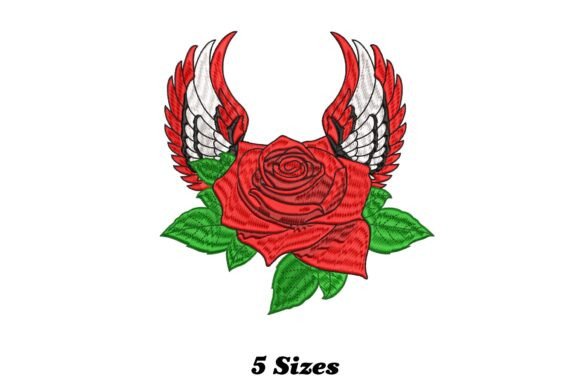
Rose Wing Embroidery Design Review
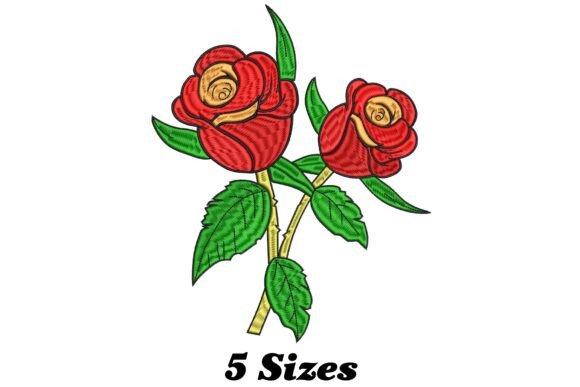
As an embroidery designer who spends hours evaluating files for commercial viability, I look beyond the visual appeal of a design. I assess its stitch efficiency, scalability, and potential to elevate a brand’s perceived value. Today, I am reviewing Rose Wing, a design categorized under Single Flowers Plants within the Embroidery niche. The description promises to "transform your fabrics with a touch of flair" by adding a "playful and fanciful accent." For small business owners, Etsy sellers, and apparel decorators, the question is not just whether it looks pretty, but whether it works as a profitable asset.
First Impressions: Playful Meets Premium
When you first load a digital embroidery file into your digitizing software, the initial impression sets the tone for the entire production run. Based on the title and description, Rose Wing strikes a balance between rustic charm and modern elegance. The imagery suggests a floral element intertwined with something lighter—perhaps a wing or a petal in motion. This duality makes it versatile. It feels friendly enough for a local bakery or florist but sophisticated enough for a boutique clothing line or a creative studio’s branded merchandise.
For handmade brands looking to add a unique signature to their products, this design offers that "handmade product" feel without looking amateurish. It has the potential to serve as a subtle yet distinct mark on custom apparel, signaling attention to detail to the end consumer.
Commercial Applications: Beyond the T-Shirt
While the description mentions t-shirts and towels, savvy merch creators know that profit margins often lie in accessories and specialized items. Here is how Rose Wing performs in real-world business scenarios:
- Embroidered Patches: This design translates exceptionally well to iron-on or sew-on patches. For small businesses selling stickers, pins, or enamel pins as secondary revenue streams, a high-quality embroidered patch featuring Rose Wing can command a higher price point. It serves as a tangible piece of brand identity that customers want to display on jackets or bags.
- Staff Uniforms and Aprons: Imagine a café or a boutique where staff wear black aprons. A white or contrasting thread version of Rose Wing placed on the chest or pocket adds a layer of professionalism and warmth. It humanizes the uniform, making the brand feel more approachable and artisanal.
- Cap Embroidery: For craft fairs or local events, caps are a staple. If the design’s stitch density allows for clean curves, Rose Wing could work beautifully on the front panel of a dad hat or structured cap. It offers a softer alternative to traditional geometric logos.
- Tote Bag Design: Canvas tote bags remain a top seller for Etsy sellers. Placing Rose Wing off-center or repeated along the side seam creates a dynamic look. It turns a simple utility item into a fashion statement, increasing customer engagement and social media sharing.
- Product Packaging Accents: Don’t overlook packaging. Sewing a small tag with Rose Wing onto jewelry boxes, candle labels, or soap wrappers elevates the unboxing experience. It reinforces brand consistency from purchase to use.
Where Caution Is Required
Not every design fits every application. As a professional, I advise testing Rose Wing carefully before committing to large production runs. There are specific areas where this design might struggle:
- Small Patch Sizes: If you intend to scale this down to less than two inches, inspect the detailed outlines closely. Fine details may merge together, losing the "wing" aspect and becoming a blurry blob. Always test at the final intended size.
- Curved Surfaces: While caps and sleeves offer curvature, complex shapes like mugs or rounded bottles are difficult for standard hoop embroidery. Ensure your digitizer has accounted for curve distortion if placing this on non-flat surfaces.
- High Stitch Density: Floral designs can sometimes become stiff if the underlay stitches are too dense. On delicate fabrics like silk or thin rayon, this stiffness might be noticeable and detract from the premium feel. Test on your actual fabric type.
- Dark Uniforms: Contrast is key. On dark navy or black uniforms, ensure the thread colors chosen for Rose Wing provide sufficient visibility. Light threads may require multiple passes, increasing production time and cost.
Impact on Brand Identity and Trust
In the world of small business merch, visual consistency builds trust. A well-executed embroidery project signals quality. When a customer sees Rose Wing stitched cleanly on a tote bag or a cap, they subconsciously associate that precision with the quality of your core product. It suggests that you care about the details.
Furthermore, this design supports a "handmade presentation" aesthetic. In an era of mass-produced goods, consumers crave authenticity. Rose Wing, with its organic floral theme, aligns perfectly with brands that emphasize natural ingredients, artisanal crafts, or eco-friendly practices. It helps differentiate your brand from competitors who rely solely on screen-printed graphics.
Practical Designer Notes for Production
Before you start stitching hundreds of units, follow these essential steps to ensure a successful outcome:
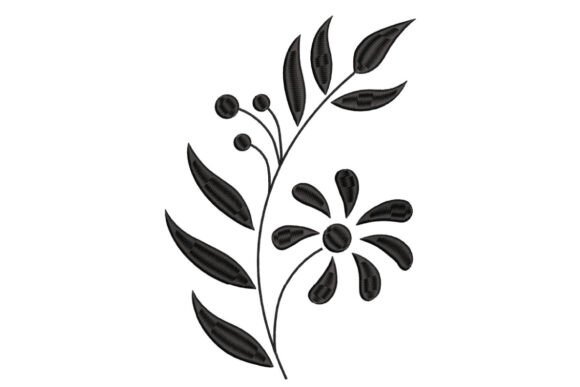
- Test in Black and White: Convert the design to monochrome in your software. This helps you evaluate the silhouette and spacing without being distracted by color choices. If it doesn’t work in black and white, it won’t work in color.
- Check Thread Color Contrast: Select thread colors that pop against your target fabric. Use a printable mockup to visualize the combination before threading the machine.
- Confirm Hoop Size: Ensure the design dimensions fit comfortably within your machine’s standard hoops. If the design is large, you may need to split the file or use a larger frame, which impacts workflow efficiency.
- Use Proper Stabilizer: The stability of the fabric is crucial for sharp embroidery. For knits like t-shirts, use cut-away stabilizer to prevent puckering over time. For wovens, tear-away may suffice for lighter applications.
- Inspect Spacing and Density: Zoom in on the digitized file. Are there any areas where stitches overlap unnecessarily? Is the spacing between elements balanced? Poor spacing can lead to thread breaks and messy finishes.
- Verify Commercial Licensing: This is critical. Before using Rose Wing for commercial embroidery projects, confirm the licensing terms. Does the purchase allow for unlimited sales? Are there restrictions on the number of units? Protect your business by ensuring you have the right to sell products featuring this design assets.
Final Verdict
Rose Wing is a strong candidate for small business owners looking to add a touch of elegance and playfulness to their product line. Its versatility across various applications—from embroidered patches to apron embroidery—makes it a valuable addition to your design assets. However, success depends on proper execution. By testing on real fabric, checking stitch density, and confirming commercial rights, you can transform this digital embroidery file into a finished product that delights customers and strengthens your brand identity.
For those in the floral, boutique, or handmade sectors, Rose Wing offers a refined way to connect with your audience. It is not just a decoration; it is a strategic tool for enhancing perceived value and fostering customer loyalty. Proceed with careful planning, and this design will likely become a staple in your merch creation toolkit.