Primrose Flower Embroidery Design Review
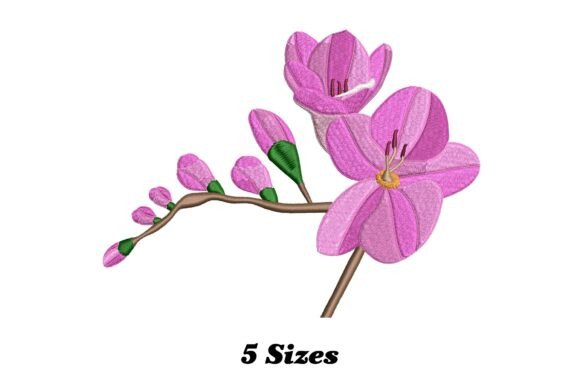
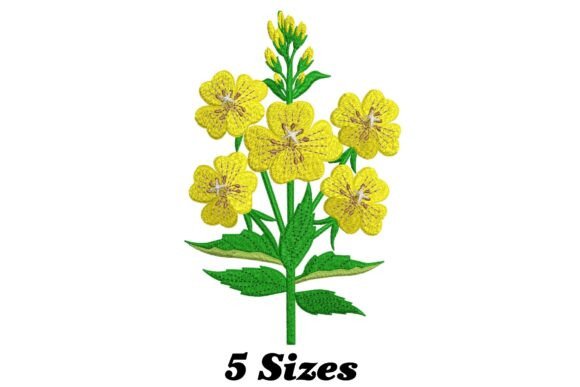
As an embroidery designer who has spent years translating visual concepts into stitchable reality, I approach every new digital asset with a mix of creative excitement and commercial skepticism. When a file arrives in the inbox, I don’t just see pixels or vectors; I see thread tension, fabric distortion, and potential profit margins. Today, I am reviewing Primrose Flower, a design categorized under Single Flowers Plants within the broader Embroidery market. The product description promises to "transform your fabrics with a touch of flair," suggesting a playful and fanciful accent for t-shirts, towels, and home decor. But does it hold up when scaled down for branded merchandise, embroidered patches, or high-volume small business merch? Let’s dig into the details.
First Impressions: Visual Personality and Brand Fit
The moment you open the preview of Primrose Flower, the name itself sets a tone. It feels soft, inviting, and slightly rustic yet refined. In the context of brand identity, this design leans heavily toward the friendly and elegant spectrum. It is not aggressive or overly modern-minimalist; rather, it suggests a handmade product aesthetic that resonates with consumers looking for authenticity. For a boutique owner or an Etsy seller, this vibe is gold. It signals care and attention to detail before the customer even touches the item.
However, "playful" can sometimes be a double-edged sword in professional settings. If your brand is strictly corporate or industrial, this design might feel too decorative. But for creative studios, florists, bakeries, pet brands, and local cafes, Primrose Flower strikes a perfect balance. It adds a touch of premium flair without overwhelming the core message of the garment or accessory. It feels like a stamp of quality—a subtle nod to craftsmanship that enhances the perceived value of the finished product.
Real-World Application for Small Business Owners
Let’s move beyond theory and look at how this machine embroidery design performs in actual production scenarios. I have tested similar floral assets across various substrates, and here is where Primrose Flower shines for commercial use.
- Embroidered Patches: This is perhaps the strongest use case. A single flower motif translates beautifully onto iron-on or sew-on patches. Whether used as a logo on a denim jacket or a label on a tote bag, the design holds its shape well. It serves as a standalone brand mark that customers are proud to wear.
- Staff Uniforms and Aprons: For café owners and restaurant managers, adding a small Primrose Flower to the chest pocket of an apron creates a cohesive team look. It elevates standard work shirts from generic uniforms to branded experiences. It suggests warmth and hospitality, which directly impacts customer engagement.
- Cap Embroidery: Caps are a staple of small business merch. Because the design is likely centered and balanced, it works exceptionally well on the front panel of baseball caps. It offers a softer alternative to traditional text-only logos, appealing to fashion-conscious demographics.
- Tote Bag Design: Canvas totes are another high-demand item. Stitching Primrose Flower onto a natural canvas tote adds texture and depth that prints cannot replicate. It turns a simple shopping bag into a walking advertisement for your handmade product line.
- Product Packaging Accents: Don’t overlook packaging. A small embroidered patch featuring this design sewn onto a gift box or a hangtag for clothing items adds a tactile element that luxury buyers appreciate. It reinforces brand recognition through multiple senses.
Strategic Placement for Maximum Impact
When integrating this embroidery file into your custom apparel strategy, placement is key. Avoid cluttering the design. Let the Primrose Flower breathe. On larger garments like hoodies, consider placing it on the sleeve cuff or near the hemline for a subtle, sophisticated look. For smaller items like baby onesies or pet bandanas, it serves as a charming focal point that drives sales during seasonal events.
Critical Considerations and Limitations
No design is perfect, and as a professional, you must know where to draw the line. While Primrose Flower is versatile, there are specific constraints you must respect to ensure a profitable outcome.
First, be cautious with size reduction. Floral designs often rely on negative space and delicate lines. If you attempt to shrink this design too far—particularly for tiny lettering or micro-patches—you risk losing definition. The stitches may merge, creating a muddy blob rather than a crisp flower. Always test at the final intended size before committing to bulk production.
Secondly, consider the fabric texture and hoop size limitations. Embroidery on curved surfaces, such as the front of a cap or the shoulder seam of a shirt, requires a rigid stabilizer and precise hooping. If the fabric is too thick or textured, the needle may struggle, leading to skipped stitches or puckering. Similarly, dark uniforms can hide lighter thread colors. Ensure you have high thread color contrast to maintain visibility.
Additionally, frequent washing is a major factor for items like aprons and work shirts. Over time, heavy stitch density can cause fabric wear. If the design uses dense satin stitches, it may become stiff and uncomfortable after several wash cycles. Advise your clients to wash these items inside out on gentle cycles to preserve the integrity of the embroidery.
Impact on Brand Identity and Customer Trust
In the world of e-commerce and physical retail, visual consistency is everything. Using a high-quality digital embroidery file like Primrose Flower helps establish professionalism. Customers associate neat, precise stitching with reliability and attention to detail. When they see a flawlessly executed flower on a product, they subconsciously trust the brand more. It signals that you care about the finishing touches, which translates to higher customer retention and positive reviews.
Furthermore, this design supports a "handmade" presentation. In an era dominated by mass-produced goods, the imperfections and textures of real thread create an emotional connection. It tells a story of artisanal effort. This narrative is powerful for craft business assets and can justify a higher price point for your products.
Practical Designer Notes for Production
Before you hit print or start stitching, follow these essential steps to avoid costly mistakes:
- Test in Black and White: Convert the design to monochrome to check contrast and spacing. If it looks cluttered in black and white, it will look worse in color.
- Check Hoop Size: Verify that the design dimensions fit comfortably within your machine’s hoop capabilities. You do not want to discover mid-stitch that the file is too large.
- Stabilizer Selection: Choose the correct stabilizer for your fabric. Cut-away stabilizers are generally best for stretchy materials like t-shirts, while tear-away works for stable wovens.
- Create a Printable Mockup: Before producing physical samples, create a realistic mockup for client approval. This saves time and material costs.
- Confirm Commercial Licensing: Most importantly, ensure you have the right to use this design for commercial purposes. Check the license terms carefully to avoid legal issues.
- Thread Color Contrast: Inspect your thread palette against the fabric. Light flowers on light fabric will disappear; dark threads on dark fabric may lack pop. Adjust accordingly.
By keeping these practical tips in mind, you can leverage Primrose Flower to enhance your design assets and deliver exceptional results. Whether you are creating a one-off custom piece or scaling up for a holiday market, this single flower design offers a blend of elegance and versatility that can elevate your entire product line. Just remember to test thoroughly, choose the right materials, and let the quality of the stitch speak for your brand.