Sunflower Weed Embroidery Design Review
As an embroidery designer who spends weekends hunched over a table at local craft fairs, I have learned that the difference between a design that sits on the shelf and one that flies off it often comes down to visual impact and production practicality. When I first laid eyes on the Sunflower Weed machine embroidery design, my immediate reaction was one of cautious optimism. The title suggests a wild, organic feel, which is currently trending in the handmade market, but does it translate well into a sellable product? After analyzing its potential for various items—from tote bags to framed art—I have formed a clear verdict on how this design fits into a modern maker’s workflow.
First Impressions: Bold, Rustic, and Versatile
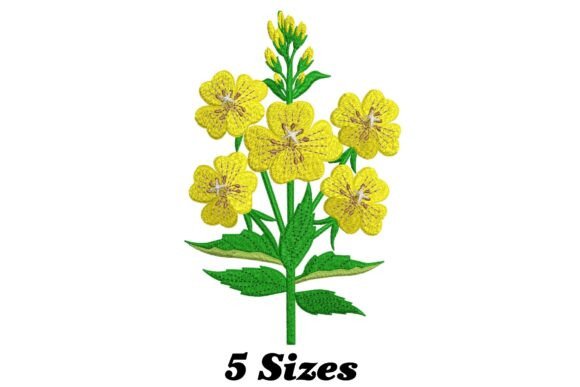
The Sunflower Weed design carries a distinct personality. It feels rustic yet refined, striking a balance between farmhouse charm and modern botanical aesthetics. For a craft fair booth, this is crucial. Customers walking by need to understand the vibe within seconds. This design does not rely on tiny, intricate details that get lost from three feet away; instead, it offers bold shapes and a natural flow that reads clearly even in quick glances. It feels premium without being overly formal, making it accessible to a wide range of buyers who appreciate handmade quality.
In terms of mood, the design leans heavily into the "Single Flowers Plants" category but with a twist. It is not just a perfect, staged bouquet; it has the character of a weed—resilient, untamed, and authentic. This narrative resonates strongly with today’s consumers who value authenticity in their handmade products. Whether you are an Etsy seller or a boutique maker, this design allows you to tap into that desire for organic beauty.
Product Applications: Where Sunflower Weed Shines
The versatility of this design is its strongest asset. Based on the description, it can be embroidered onto pillows, tote bags, jackets, and framed artwork. Let’s break down how this translates to actual sales scenarios.
- Tote Bags: A tote bag design needs to be durable and eye-catching. Sunflower Weed works beautifully here. Placed centrally on a canvas tote, it becomes a statement piece. The bold lines hold up well against the heavy texture of canvas, ensuring the design remains crisp after washing.
- Aprons and Tea Towels: For kitchen goods, such as apron embroidery or tea towel embroidery, this design adds a touch of warmth. It photographs exceptionally well for online listings, where natural light highlights the thread colors. However, care must be taken with textured towels to ensure the hoop stabilizes the fabric properly.
- Patches and Caps: If digitized correctly, this design can serve as an embroidered patch for denim jackets or baseball caps. The organic shape allows for creative appliqué or cut-work edges if you are feeling adventurous. On curved cap surfaces, the design’s flow helps it sit naturally without looking distorted.
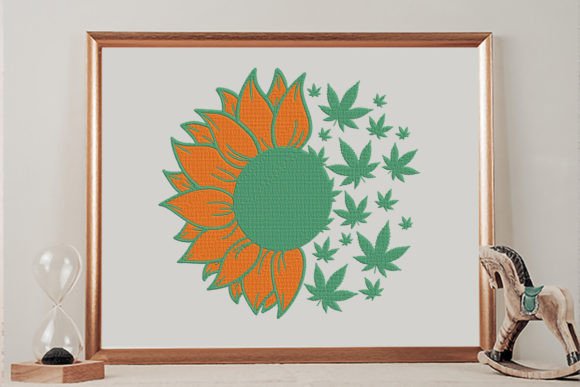
- Framed Artwork: One of the most profitable applications for designs like Sunflower Weed is framing. Embroidering it onto high-quality linen or cotton poplin and mounting it in a simple wooden frame creates a high-margin item. It appeals to buyers looking for unique home decor that feels personal and artisanal.
- Small Pouches and Pillows: For smaller items like zippered pouches or throw pillow covers, the design can be scaled down effectively. It serves as a charming accent that elevates a basic item into a gift-worthy product.
Production Practicality and Batch Efficiency
For any small shop product owner, time is money. A design that takes twenty minutes to stitch out when a competitor’s takes ten will eat into your profit margins. While exact stitch counts vary by file version, Sunflower Weed appears to have a balanced stitch density that allows for reasonable run times without sacrificing detail. This makes it suitable for batch production. You can set up your hooping station and churn out a dozen aprons or ten tote bags efficiently.
Photography is another key factor. In the digital age, your printable mockup is often the first thing a customer sees. Sunflower Weed has strong visual anchors that look great in photos. The contrast between the flower elements and the background fabric creates depth, which helps your finished product stand out in crowded Etsy search results or social media feeds.
Careful-Use Notes and Technical Considerations
Even the best designs have limitations. As a professional reviewer, I must highlight areas where caution is needed to ensure customer satisfaction.
- Dense Stitch Areas: Check the center of the flower head. If the stitch density is too high, it may pucker lighter fabrics. Always test on scrap material to see if the backing stabilizer is sufficient.
- Thread Contrast: The design relies on color differentiation. If you use low-contrast thread colors (e.g., yellow on cream), the design may lose clarity. Stick to high-contrast combinations for the best visual impact.
- Fabric Texture: Avoid highly textured fabrics like thick waffle-weave towels unless you are experienced with hooping them. The needle may struggle to penetrate consistently, leading to skipped stitches.
- Hoop Size: Confirm the required hoop size before starting. If the design is large, you may need a multi-hooped setup, which increases production time. Ensure your machine’s reach accommodates the full design area.
- Stabilizer Choice: Use the right stabilizer for the job. Cut-away stabilizer is generally recommended for garments like jackets and hats to provide lasting support, while tear-away may suffice for stable home decor items like pillowcases.
Final Verdict: Is Sunflower Weed Worth It?
Overall, Sunflower Weed is a strong candidate for any commercial embroidery catalog. Its rustic elegance and versatility make it a safe bet for craft fairs and online shops. It appeals to the buyer who wants something that feels handcrafted and nature-inspired. However, success depends on execution.
To maximize sales, I recommend creating at least one real mockup before listing the product. Test the design on the actual fabric you plan to sell. Inspect the thread colors under different lighting conditions. Ensure the digital embroidery file is compatible with your software and that you have confirmed commercial licensing rights before selling finished goods. By paying attention to these details, you can turn a simple machine embroidery design into a standout craft fair product that customers love.
Whether you are adding this to your design assets for seasonal collections or launching a new line of botanical-themed gifts, Sunflower Weed offers a solid foundation for creativity and profit. Just remember: always prioritize quality control and thoughtful presentation to let the design’s true beauty shine through.