No Rain No Flowers Line Art Embroidery Review
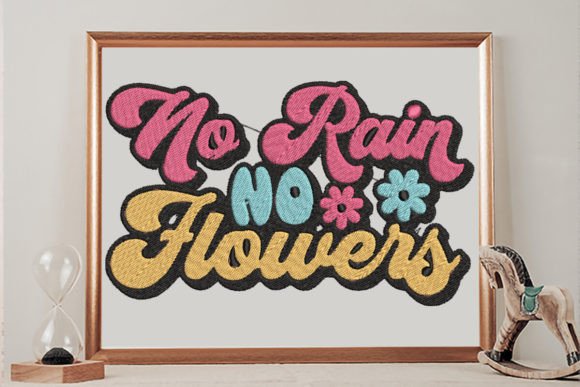
As an experienced embroidery designer with a focus on creating standout craft fair products, I always look for designs that combine visual appeal, versatility, and practicality. When I first saw the title of No Rain No Flowers Line Art Embroidery, I was intrigued by its poetic message and artistic tone. The description hints at a design that can bring a "vibrant and imaginative flair" to any fabric—perfect for springtime collections or year-round handmade items.
First Impressions: A Modern Spring Statement
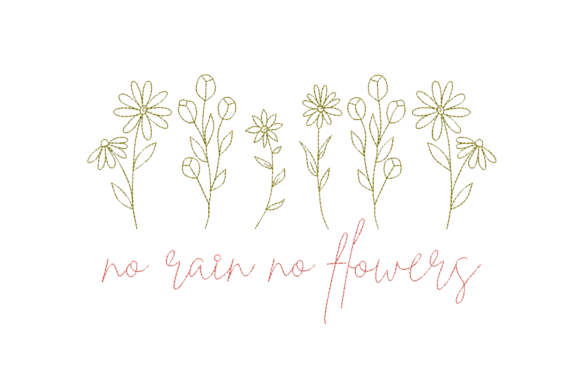
The phrase "No Rain No Flowers" immediately evokes a sense of resilience and growth. Paired with line art styling, this design likely carries a clean, modern aesthetic that appeals to both handmade shop owners and Etsy sellers. Based on the name and description, it doesn’t scream bold or flashy; instead, it feels more like a subtle yet meaningful statement piece. It has the potential to be elegant and decorative while maintaining a minimal vibe—ideal for those who appreciate understated charm in their embroidered designs.
Visual Appeal and Customer Attention
In a craft fair setting, your booth needs eye-catching pieces that stop customers in their tracks. This design seems poised to do just that. Whether embroidered on a tote bag or a tea towel, the line art style adds dimension and interest without overwhelming the fabric. It’s a great candidate for farmhouse-style or soft bohemian themes, especially if paired with muted pastel colors or natural linen textures.
Line art often translates well into embroidery because of its defined edges and simplified shapes. If the design includes delicate lines and open spaces, it will photograph beautifully for online listings and printed printable mockups, making it easy to showcase across your digital storefronts and social media platforms.
Product Performance: Where It Shines
Let’s break down how No Rain No Flowers Line Art Embroidery might perform across different product types you’d typically display at a weekend craft fair:
- Tote Bags: This design would make a strong focal point on canvas or cotton totes. Its simplicity allows it to pop without competing with the fabric texture. As a large-scale embroidery, it could become a signature item in your collection.
- Aprons: Embroidered near the waistband or pocket area, the design adds a personal touch. Customers love unique apron details, and line art gives a professional finish that elevates your handmade product.
- Tea Towels: A small-to-medium version of this design could work beautifully as an accent. Place it in the corner or center depending on the overall layout. Textured towels may require careful attention to stabilizer use to ensure crisp stitch definition.
- Caps: Curved surfaces present a challenge, but the line art structure of this design should adapt well. Be sure to test it on a cap before production to confirm alignment and hoop size compatibility.
- Fabric Pouches: Small pouches are perfect for showcasing minimalist designs. If the line art is detailed enough, it can still feel impactful even at a smaller scale.
- Pillow Covers: For a soft, cozy look, this design could be placed centrally or repeated along the edge. It brings a decorative element that fits well with seasonal spring décor.
- Embroidered Patches: These are a hit at craft fairs. The line art style makes for a clear, legible patch design that looks great on denim jackets, backpacks, or custom gifts.
- Handmade Gifts: From keychains to mini bags, this design can be adapted to create thoughtful, giftable items. Its artistic nature aligns well with the handmade quality many buyers seek.
- Booth Samples: Use it on a few high-traffic display items like market bags or pillow covers. It offers a cohesive theme that ties together your spring-themed offerings.
- Digital Embroidery File Sales: As a digital seller, you’ll want this file to have broad appeal. The line art format makes it adaptable for various projects, increasing its value as a design asset for other embroidery crafters.
Practical Selling and Production Insights
Before adding No Rain No Flowers Line Art Embroidery to your craft fair booth, consider how it functions in real-world production:
- Visibility at a Glance: The design is likely recognizable from afar due to its line art composition. This helps attract customers quickly in a crowded environment.
- Scalability: It works equally well as a small accent or a large focal design. You can easily adjust the size depending on the product and desired impact.
- Photography-Friendly: Clean lines and high contrast (if using appropriate thread colors) will make it stand out in photos. This is crucial for Etsy sellers and digital embroidery file showcases.
- Batch Production Readiness: If the design is structured well, it can be produced consistently across multiple items. This is important when preparing samples or bulk orders for your small shop product range.
Key Considerations for Careful Use
While the design appears promising, there are a few areas where extra care is needed:
- Dense Stitch Areas: Depending on the detail, some sections may require thin stabilizer to avoid puckering or distortion.
- Tiny Details: If the design contains fine lines or lettering, testing on different fabrics and sizes is essential to maintain clarity.
- Thick or Textured Fabrics: Line art can lose definition on heavy-weight or woven materials. Opt for medium-weight cotton or blends for best results.
- Dark Fabric Contrast: Ensure thread colors provide enough contrast against dark backgrounds. Light-colored threads on black fabric may not show up as intended.
- Curved Surfaces: On caps or curved textiles, alignment and hoop placement are critical. Always do a test run before finalizing production.
- Small Sizes: At reduced scales, some elements may become less legible. Avoid shrinking too much unless the design is specifically optimized for miniatures.
Boosting Booth Display and Brand Consistency
Using No Rain No Flowers Line Art Embroidery strategically across multiple product types can strengthen your booth display and reinforce brand identity. Imagine a table filled with matching tea towels, totes, and pouches all featuring variations of the same design. This cohesiveness draws customers in and signals professionalism and creativity.
Moreover, the design's thematic nature—tying into growth, perseverance, and beauty—can be used in your booth branding. Pair it with spring-inspired color palettes and natural materials to create a unified look that speaks to the season and resonates with eco-conscious shoppers.
Customer Engagement and Product Value
When customers see this design in person, they’re likely to appreciate its artistic quality and the positive message behind it. It’s a conversation starter, especially during spring and summer months. People tend to gravitate toward designs that tell a story or reflect their values—this one does both.
Adding this design to your handmade product lineup also enhances perceived value. The line art style suggests a premium, professionally crafted machine embroidery design, which is exactly what discerning buyers expect from a reputable craft fair seller.
Designer Tips for Implementation
Before moving forward with this embroidery file in your next batch of products, here are some practical steps to take:
- Test on Scrap Fabric: Try the design on several fabric types to see how it reacts to texture and weight.
- Check Thread Colors: Confirm whether the default thread palette works with your preferred fabric colors or if customization is needed.
- Review Spacing and Alignment: Especially for multi-panel items like pillow covers or aprons, ensure the design is spaced correctly for visual balance.
- Confirm Hoop Size: If the design is large, check if your hoop can accommodate it without stretching or distorting the fabric.
- Inspect Stitch Density: Dense areas may require backing or tear-away stabilizer to prevent puckering, especially on thinner or stretchy fabrics.
- Use the Right Stabilizer: Depending on fabric type, choose between cut-away, tear-away, or wash-away stabilizers to ensure a smooth finish.
- Create a Real Mockup: Before listing anything online or displaying at a fair, embroider a sample to see how it looks in person.
- Compare Fabric Colors: Test the design on light, medium, and dark tones to determine which combinations offer the most visual impact.
- Verify Commercial Licensing: If you plan to sell finished goods or resell the digital embroidery file, double-check the license terms to stay compliant.
Final Thoughts for Your Craft Fair Strategy
No Rain No Flowers Line Art Embroidery is a versatile and visually appealing design that can elevate your handmade market products. It’s ideal for those looking to blend spring motifs with contemporary line art aesthetics. Whether you're a seasoned embroidery business owner or a new boutique maker, this design offers opportunities to create high-quality, photogenic items that resonate with today’s creative consumers.
Its adaptability makes it a strong contender for both commercial embroidery and small-batch artisanal creations. Just remember to tailor the application based on fabric choice and product form, and always prioritize quality control through testing. With the right approach, this design can become a highlight of your next craft fair display—and a favorite among your handmade shop patrons.