Mama s Kitchen Helper Review
As an embroidery designer who frequently sources assets for commercial projects, I am always looking for designs that balance whimsy with structural integrity. When evaluating a machine embroidery design for real-world application, the goal is not just aesthetic appeal but also stitch efficiency and finish quality. Recently, I reviewed the “Mama’s Kitchen Helper” embroidery file from Creative Fabrica to determine its viability for handmade product lines, specifically focusing on kitchen-themed gifts and children’s apparel.
First Impressions: Whimsy Meets Functionality
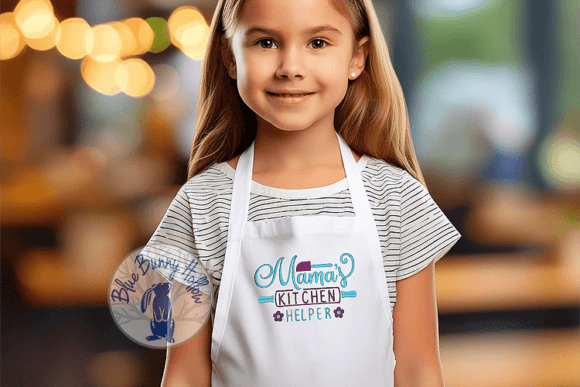
The visual mood of this design immediately signals warmth and domestic joy. The combination of a spatula, rolling pin, and delicate flowers creates a narrative that resonates strongly with the Kitchen Cooking theme. For a designer, the initial attraction is often the color palette and composition. This piece features a charming arrangement that feels balanced rather than cluttered. The inclusion of floral elements softens the utilitarian nature of the kitchen tools, making it suitable for a broader audience than just serious chefs.
From a technical standpoint, the design appears to rely heavily on satin stitch for the outlines of the utensils, which provides a clean, defined edge. The flower details likely utilize a mix of fill stitch and smaller satin applications to create texture. This variety in stitch types is crucial for maintaining visual interest without requiring excessive thread consumption. The overall impression is one of high-quality digital artistry translated effectively into machine-readable code.
Project Suitability and Versatility
One of the primary considerations for any embroidery designer is versatility. Can this single design work across multiple product categories? In my assessment, “Mama’s Kitchen Helper” is remarkably adaptable. It fits naturally into several key categories:
- Applique Design Potential: While primarily an embroidered piece, the distinct shapes of the spatula and rolling pin could be adapted for appliqué techniques if the user prefers a mixed-media approach.
- Custom Apparel: This design works beautifully on custom apparel such as oversized graphic tees or fitted aprons. The scale is appropriate for chest placements or back prints.
- Baby Items: Given the playful nature of the imagery, it is an excellent candidate for baby blankets, burp cloths, or nursery decor. The gentle floral accents make it gender-neutral and appealing for new parents.
- Tote Bag Design: A canvas tote bag design featuring this motif would appeal to craft fair shoppers looking for practical yet cute accessories.
- Sweatshirt Embroidery: For cooler months, this design adds a cozy, homey feel to crewneck sweatshirts or hoodies.
Furthermore, for sellers on platforms like Etsy, this design offers strong giftability. It serves as an ideal personalized gift for Mother’s Day, birthdays, or housewarming parties. The thematic link between cooking and family makes it a safe yet thoughtful choice for commercial embroidery businesses.
Technical Performance in Real-World Applications
When moving from screen to fabric, certain technical factors come into play. Here is how I expect this design to perform based on standard embroidery practices.
Stitch Density and Detail
The success of any digital embroidery file lies in its stitch density. If the density is too high, the fabric may pucker; if too low, the design may look sparse. Based on the visual complexity of the spatula and rolling pin handles, careful attention must be paid to the underlay stitches. The running stitch used for finer details should remain crisp. I recommend inspecting the small details after stitching to ensure that the floral petals do not merge together due to excessive thread tension.
Hoop Size Constraints
Before committing to production, you must confirm the hoop size required by the file. Designs that combine multiple elements can sometimes exceed standard 4x4 inch hoops, requiring larger frames or multi-hooping. If the design is intended for a cap, the curvature of the surface will impact how the straight lines of the rolling pin appear. Testing on a curved surface is essential to avoid distortion.
Fabric Compatibility
This design performs best on stable, woven fabrics. Cotton canvas, denim, and terry cloth (for towels) are ideal substrates. However, caution is advised when using stretchy fabrics like jersey knit without proper stabilization. The weight of the thread colors and the density of the fill areas can cause stretching or waviness if a cut-away stabilizer is not used correctly. Similarly, dark fabrics may require a top stabilizer or tear-away backing to prevent the bobbin thread from showing through, especially if the design uses lighter thread shades.
Impact on Product Value and Branding
For small business owners and crafters, the perceived value of a handmade item is directly tied to its presentation. A well-executed embroidery project elevates a simple tote bag or kitchen towel into a premium product. Using a cohesive design like “Mama’s Kitchen Helper” helps maintain brand consistency, particularly if your shop focuses on lifestyle or home goods.
In terms of product photography, this design offers strong visual appeal. The contrast between the metallic-looking utensils (if rendered in silver/gold threads) and the soft pastel flowers creates depth in photos. This depth translates well to online listings, potentially increasing click-through rates and customer engagement. Buyers trust brands that demonstrate attention to detail, and a clean, professional embroidery finish reinforces that trust.
Practical Tips for Implementation
To ensure the best results when integrating this asset into your workflow, consider the following practical steps:
- Test on Scrap Fabric: Always run a test stitch-out on the actual fabric type you plan to use. This reveals issues with tension, puckering, or color bleeding before you commit to a final product.
- Check Thread Color Contrast: Review the thread colors provided in the file against your available spools. Ensure there is sufficient contrast between adjacent colors, especially in the detailed floral areas.
- Use Proper Stabilizer: Match the stabilizer to the fabric weight. Lightweight fabrics need lightweight stabilizers, while heavy denim requires robust support to handle the stitch density.
- Inspect Small Details: After stitching, zoom in on the smallest elements. If they appear muddy, consider adjusting the trim settings or hooping technique.
- Confirm Licensing: Before selling finished items, carefully review the license terms on the Creative Fabrica product page. Ensure you have the right to sell physical products made with the design, as some licenses may restrict commercial use or require specific attribution.
Final Verdict
The “Mama’s Kitchen Helper” embroidery design is a solid addition to any design assets library focused on home and family themes. Its whimsical charm and practical applicability make it a versatile tool for embroidery designers looking to expand their offerings. Whether you are creating printable mockups for digital sales or crafting physical handmade products for local markets, this file delivers a polished look that customers appreciate.
By paying attention to technical details like hoop size, stabilizer choice, and fabric compatibility, you can leverage this design to create high-value, trustworthy products. It is a recommended choice for those seeking to add a touch of warmth and creativity to their embroidery repertoire.