Green Gingham Bow Embroidery: A Designer’s Practical Review
As an experienced embroidery designer and product reviewer, I’ve evaluated countless machine embroidery designs, but the Green Gingham Bow Embroidery stands out for its balance of whimsy and sophistication. It’s one of those versatile design assets that could easily slip into a boutique branding project or elevate a personalized gift with minimal effort. Let me walk you through how this design holds up in real-world applications and what to consider when using it in your next embroidery project.
First Impressions and Design Personality
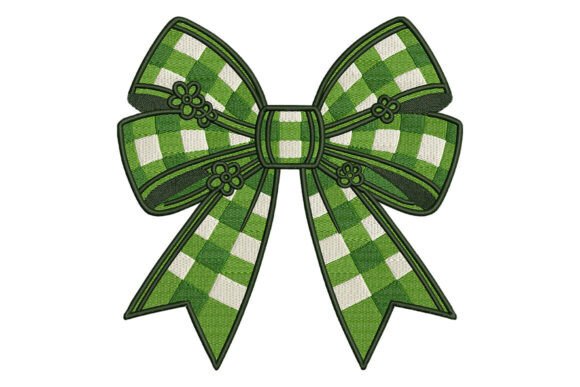
The first thing I noticed about Green Gingham Bow Embroidery is its visual warmth. The gingham pattern brings a nostalgic charm, while the addition of delicate stitched flowers adds a touch of refinement. It feels like something you’d see on a vintage apron or a modern nursery wall hanging — classic yet contemporary.
The shape is symmetrical and well-proportioned, which is a big plus for any embroidered patch or apparel decoration. The bold outline keeps the bow grounded and prevents it from looking too floaty, even on plain backgrounds. This kind of structure makes it easy to place on garments without overwhelming the design space. The theme is undeniably Fashion Beauty-friendly, but it also has broad appeal across multiple niches, including home decor and children’s wear.
Real-Life Application: Custom Tote Bag Project
To test this design thoroughly, I applied it to a custom tote bag — a popular item among craft business owners and Etsy sellers. The result was charming and eye-catching. On a light-colored canvas fabric, the green gingham stood out beautifully, while the floral accents added just enough detail to feel handcrafted without being overdone.
I found the layout intuitive for placement. The bow itself isn’t too large, so it fits nicely in the corner without dominating the piece. That’s especially helpful if you’re adding text or other embroidery files nearby. It worked well with a satin stitch for the outline and a combination of fill and running stitches for the flowers — typical choices for a handmade product with texture and depth.
When presented at craft fairs or in online listings, the finished tote received positive reactions. Customers appreciated the subtle elegance and the sense of playfulness it conveyed. It’s a great example of how thoughtful design assets can enhance both aesthetics and perceived value.
Where It Shines: Apparel, Home Goods, and Personalized Items
- Sweatshirts and T-Shirts: The design works particularly well on cotton blends. The contrast between the green and white gingham checks is clear, making it ideal for sweatshirt embroidery or casual custom apparel pieces.
- Baby Clothes and Nursery Decor: For baby embroidery, the soft color palette and non-threatening shapes are a win. It adds a sweet, vintage-inspired flair to onesies, bibs, or pillow covers without feeling too busy.
- Pillow Covers and Tea Towels: These items benefit from the design’s scale and simplicity. The bow doesn’t require tight hoop sizes, and the checkered pattern plays well with linen or cotton fabrics commonly used in home décor.
- Holiday Gifts and Wedding Accessories: As a decorative element, the bow complements seasonal themes. Think Christmas ornaments, Easter baskets, or even monogrammed wedding favor tags. It’s versatile enough to adapt to different events and still feel cohesive.
What’s impressive is how the design maintains its identity across various small shop products. Whether stitched onto a tote or a cap, it retains its character — playful but polished. This makes it a strong candidate for commercial embroidery work, especially for digital embroidery file collections intended for resale or licensing.
Cautions and Considerations for Use
While the Green Gingham Bow Embroidery is a solid choice for many projects, there are some practical limitations to be aware of:
- Small Hoop Sizes: If you plan to use this on tiny patches or embroidered buttons, the details might get lost. I recommend checking the minimum hoop size before committing.
- Textured or Stretchy Fabrics: On materials like denim or stretch knits, the stitching clarity may diminish. The checkered pattern relies on precise stitch alignment, so fabric movement can distort the final look.
- Dark Fabric Backgrounds: The green gingham loses its pop on darker materials. Always do a quick mockup in black and white or against dark tones to confirm visibility.
- Dense Stitch Areas: The flower centers have a moderate amount of fill stitch. If your machine struggles with high-density areas, you may need to adjust the stitch count manually or add stabilizer for better results.
- Products Requiring Frequent Washing: While not inherently problematic, always consider thread durability. Opt for quality polyester or rayon threads if you're creating items like aprons or baby clothes that will go through repeated laundering.
For crafters and creative entrepreneurs, these nuances matter. They can mean the difference between a successful sale and a customer complaint about poor stitch quality or faded colors.
Design Impact on Branding and Customer Perception
In terms of brand consistency, this design serves as a reliable visual anchor. Its clean lines and recognizable motif make it a good fit for shops specializing in vintage-style or cottagecore aesthetics. It’s also useful for personalized gifts, where the bow can act as a decorative border around names or dates.
From a buyer engagement perspective, the embroidery project becomes more appealing due to the design's tactile quality. The mix of fill stitch and running stitch gives it dimension, which helps products stand out in crowded marketplaces. As a handmade product, it conveys professionalism and attention to detail — two key factors in building customer trust.
However, because it leans toward a specific aesthetic, it may not suit every craft fair product or digital listing. Make sure it aligns with your target audience’s style preferences before incorporating it into your catalog or promotional content.
Designer Tips for Getting the Most Out of This Design
- Test on Scrap Fabric First: Especially if you’re planning to use it on stretchy or thin material. Observe how the stabilizer interacts with the design and whether small details hold up after washing.
- Check Thread Color Contrast: Confirm that the green gingham and flower colors complement your chosen fabric. You might want to tweak thread shades for maximum visibility.
- Review Stitch Density: Look closely at the flower centers. If they’re too dense, they may pucker or pull on certain fabrics. Adjust the density settings accordingly.
- Confirm Hoop Size Requirements: Even though the design looks compact, it needs adequate room to stitch cleanly. Check the recommended hoop size before starting production.
- Inspect Small Details: The floral elements are intricate, so ensure your machine handles them smoothly. If needed, simplify or re-scale for smaller projects.
- Use Proper Stabilizer: Especially on lightweight or stretchy materials. A tear-away or cut-away stabilizer can help maintain stitch integrity and prevent distortion.
- Test in Black and White Mockups: This will help you visualize how the design functions without color — a smart move for ensuring readability and versatility.
- Compare Light and Dark Backgrounds: See how the green gingham bow embroidery performs on contrasting surfaces. This helps avoid surprises when scaling up for clients or commercial orders.
- Confirm Licensing Before Selling: If you're using this as part of a digital product or selling finished items, verify the license allows for commercial use. Some embroidery files come with restrictions that could affect your craft business model.
Final Thoughts on Green Gingham Bow Embroidery
The Green Gingham Bow Embroidery is a design that bridges the gap between nostalgia and modern minimalism. It’s not flashy, but it carries a quiet confidence that makes it suitable for a wide range of embroidery projects, from holiday gifts to boutique fashion accessories.
Its success hinges on thoughtful application. By considering fabric type, hoop size, and thread contrast, you can maximize its impact on both personal and professional creations. For small shop product lines, it offers a consistent visual language that customers can recognize and appreciate — a subtle but powerful tool for brand recognition and repeat sales.
If you're a handmade shop owner or digital product seller, I suggest keeping this design in your toolkit. Just remember to treat it with the care it deserves. Not every design can survive frequent wash cycles or tight corners on a cap, but with proper preparation, the Green Gingham Bow Embroidery can become a staple in your creative workflow.