Bluebell Flower Design Review
As an embroidery designer who has spent years translating digital concepts into tangible, stitched assets for small businesses, I approach every new design file with a specific set of criteria. It is not enough for a design to simply look pretty on a screen; it must perform flawlessly under the needle, hold up to commercial washing, and elevate the brand identity of the end user. Today, I am reviewing the Bluebell Flower, a design categorized under Outline Flowers that promises to transform fabrics with a touch of charm. The description highlights its potential for t-shirts, towels, and home decor, positioning it as a fun and quirky accent. But for the serious entrepreneur—whether you run a boutique café, a handmade jewelry shop, or a local florist—does this design offer enough professional versatility to justify the production time and material costs?
First Impressions: Visual Personality and Brand Fit
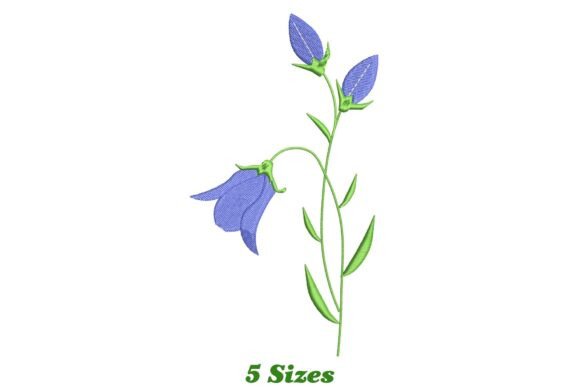
The immediate visual impact of the Bluebell Flower is one of approachable elegance. The term "cool embroidery design" in the product description suggests a modern twist on a classic botanical motif. From a branding perspective, this design strikes a balance between rustic charm and contemporary cleanliness. It feels friendly yet polished, making it suitable for a wide array of industries. For a bakery, it adds a whimsical touch to packaging; for a spa, it conveys natural serenity; and for a fashion brand, it offers a subtle, artistic flair.
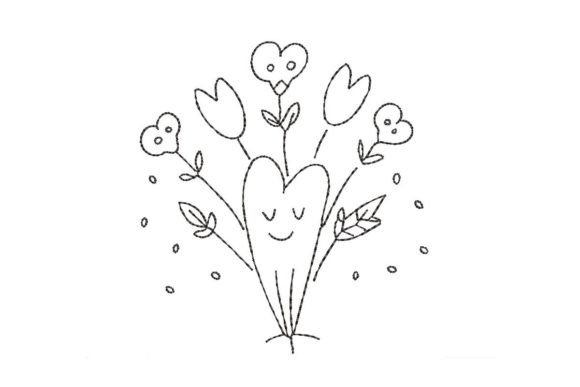
Because it falls under the Outline Flowers category, the design likely relies on clean lines rather than heavy fill stitches. This aesthetic choice is crucial for small business owners because outline designs often read better at smaller sizes. When you are creating custom apparel or branded patches, legibility is key. The Bluebell Flower appears to possess a visual weight that is neither too bold nor too faint, allowing it to serve as a versatile design asset that can anchor a larger composition or stand alone as a minimalist logo accent.
Real-World Application for Small Business Merch
Let us move beyond the screen and discuss how the Bluebell Flower performs in real business use. The most common request I receive from clients is for versatile embroidery files that can be applied across multiple product lines without losing their integrity. Here is how this design fits into various commercial scenarios:
- Embroidered Patches: One of the strongest use cases for the Bluebell Flower is as an embroidered patch. Whether sewn onto denim jackets, canvas tote bags, or leather goods, the outline style allows for clear definition even when scaled down. It creates a premium feel that customers associate with high-quality handmade products.
- Staff Uniforms and Aprons: For hospitality businesses, such as cafes or bakeries, uniform branding is essential for customer trust and recognition. The Bluebell Flower works exceptionally well as a chest logo accent or a sleeve detail on work shirts. Its playful yet professional nature helps humanize the brand, suggesting that the staff cares about both quality and aesthetics. On apron embroidery, it adds a touch of personality to functional gear.
- Cap Embroidery: Branded caps remain a staple in merch creation. The Bluebell Flower’s compact nature makes it ideal for cap fronts or side panels. It maintains its shape and clarity even on the curved surface of a hat, ensuring that your brand remains visible and recognizable from a distance.
- Tote Bag Design: Eco-friendly tote bags are a favorite among Etsy sellers and craft fair vendors. Stitching the Bluebell Flower onto these bags transforms them from simple carriers into mobile advertisements. The design’s charm encourages customers to keep using the bag, extending the lifespan of your brand exposure.
- Product Packaging Accents: Beyond apparel, this design can be used on product labels, gift tags, and packaging inserts. A small, beautifully stitched flower on a thank-you card or a hangtag adds a tactile element that digital printing cannot replicate, significantly boosting buyer engagement and perceived product value.
Strategic Considerations and Limitations
While the Bluebell Flower is highly versatile, no single design is perfect for every application. As a professional reviewer, I must highlight where this design requires careful consideration to avoid production pitfalls.
Small Patch Sizes and Cap Fronts: If you intend to stitch this design at a very small scale, such as a tiny logo on a cuff or a miniature patch, you must ensure the outline thickness is sufficient. Extremely thin lines may break or merge during the stitching process, especially if the thread tension is not perfectly calibrated. Always test the design at 100% scale before committing to bulk production.
Curved Surfaces and Fabric Texture: Embroidering on curved surfaces like caps or sleeves can distort delicate outlines. Additionally, textured fabrics, such as heavy waffle-knit towels or loose-weave linen, can cause the stitches to pucker or shift. The Bluebell Flower may require a sturdy cut-away stabilizer to maintain its structure on these challenging materials.
Detailed Outlines and High Stitch Density: While outline designs generally have lower stitch counts than dense fills, the complexity of the flower’s petals matters. If the design includes intricate inner details, it may struggle on dark uniforms or low-contrast backgrounds. Ensure there is adequate thread color contrast between the design and the fabric to preserve visual clarity.
Frequent Washing: For items that will undergo frequent laundering, such as staff aprons or customer gift towels, the durability of the stitch placement is critical. Designs with long floating threads or large open areas are more prone to snagging. Verify that the Bluebell Flower’s construction minimizes float length to ensure longevity.
Impact on Brand Identity and Professionalism
In the world of small business, consistency is everything. Using a cohesive set of design assets helps build a strong brand identity. The Bluebell Flower, with its charming and slightly quirky aesthetic, signals to customers that your brand values creativity and attention to detail. It enhances the handmade presentation of your products, fostering a sense of authenticity that resonates with modern consumers.
When customers see a professionally executed embroidery design on your merchandise, it elevates the perceived value of your entire product line. It suggests that you invest in quality, which in turn builds customer trust and recognition. A well-placed Bluebell Flower on a tote bag or cap becomes a walking billboard for your business, reinforcing your brand message every time the item is seen in public.
Practical Designer Notes for Production
Before integrating the Bluebell Flower into your commercial workflow, I recommend following these practical steps to ensure a successful outcome:
- Test in Black and White: Convert the design to black and white first. This helps you evaluate the balance and spacing of the stitches without being distracted by color choices.
- Check Small Size Legibility: Zoom out or print the design at actual size to verify that it remains readable and distinct when reduced for patches or small accents.
- Review Thread Color Contrast: Experiment with different thread colors against your target fabric. Light flowers on dark fabric, or vice versa, often yield the best results for outline designs.
- Inspect Spacing and Hoop Size: Confirm that the hoop size accommodates your intended garment dimensions without awkward re-hooping. Check the spacing between elements to prevent tangling.
- Test on Real Fabric: Never rely solely on digital mockups. Stitch a sample on the actual fabric you plan to use. This reveals issues with puckering, stabilizer compatibility, and fabric texture interaction.
- Create a Printable Mockup: Use a printable mockup to visualize the design on final products like tote bags or apparel. This is invaluable for client approval and marketing materials.
- Compare Design Assets: Place the Bluebell Flower beside other design assets in your collection to ensure visual consistency across your brand’s offerings.
- Confirm Commercial Licensing: Finally, always double-check the licensing terms of the digital embroidery file. Ensure you have the right to use the design for commercial purposes, including selling finished goods.
The Bluebell Flower is a strong contender for small business merch and branded applications. Its blend of charm and professionalism makes it a flexible tool for enhancing brand identity. By carefully considering its limitations and following best practices in embroidery production, you can leverage this machine embroidery design to create standout products that resonate with your audience.