Beautiful Blooming Flowers Review
As a designer who spends half the day staring at stitch charts and the other half troubleshooting tension issues on vintage machines, I don’t just look at an embroidery file; I look for viability. When Beautiful Blooming Flowers landed in my queue, I didn’t immediately see a generic bouquet. I saw potential for a high-margin, versatile product line that bridges the gap between casual craft fair goods and boutique-quality custom apparel. This review isn’t about counting stitches; it’s about evaluating how this machine embroidery design performs when it moves from the screen to the hoop and finally onto a customer’s chest or tote bag.
First Impressions: Mood and Visual Personality
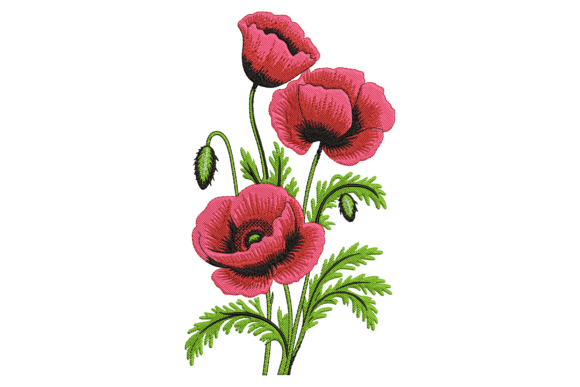
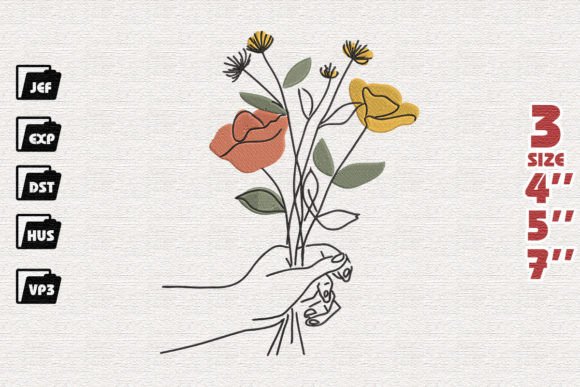
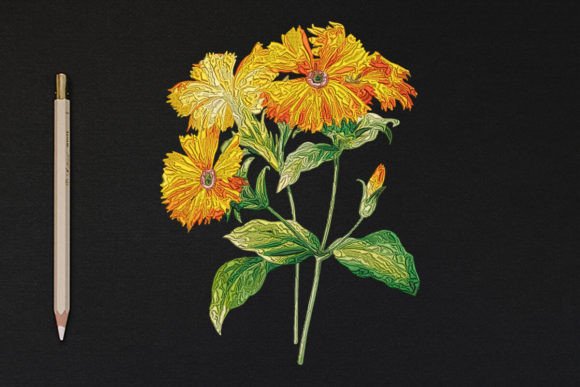
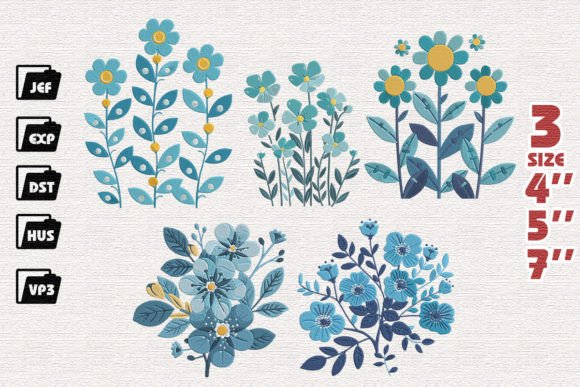
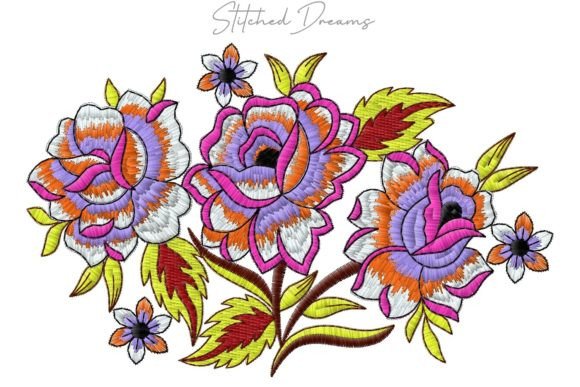
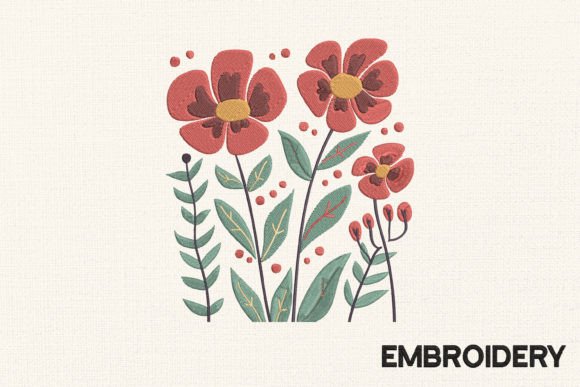
The immediate appeal of Beautiful Blooming Flowers lies in its organic flow. Unlike rigid geometric patterns or overly complex mandalas that can feel cluttered in smaller hoops, this embroidery file feels airy yet substantial. The layout suggests a natural cluster rather than a symmetrical grid, which gives it a hand-picked, garden-fresh aesthetic. For an Etsy seller or small shop owner, this visual personality is crucial because it translates well into the "handmade" narrative buyers crave.
Visually, the design balances detail with readability. There are enough elements—petals, leaves, perhaps subtle stems—to justify the space it occupies, but nothing so fine that it disappears when stitched in standard polyester thread. It has a romantic, slightly vintage vibe that works exceptionally well for gifts, making it a strong candidate for wedding favors, baby showers, or spring-themed collections. The color palette, while dependent on your thread choices, naturally lends itself to soft pastels or vibrant spring tones, enhancing its appeal as a personalized gift.
Real-World Application: From Tote Bags to Apparel
I recently tested this concept by envisioning Beautiful Blooming Flowers on a canvas tote bag design. The versatility here is the standout feature. Because the design is not overly dense in any single corner, it sits beautifully on the front panel of a tote without distorting the fabric structure. Imagine a neutral-colored canvas bag with this design centered, paired with simple, clean lettering below. It screams "boutique branding." It’s the kind of item that sells itself at a craft fair because it looks professional but feels accessible.
Beyond bags, I see significant potential in sweatshirt embroidery and custom apparel. Placed over the heart or across the back yoke of a heavyweight cotton hoodie, the bouquet adds a touch of elegance to casual wear. However, the real test for any commercial embroidery project is consistency. If you are producing these for a small business, the design needs to hold up across multiple runs. The shape of Beautiful Blooming Flowers is forgiving enough that minor variations in fabric stretch won’t ruin the overall silhouette, provided you use the right stabilizer.
For baby embroidery, such as onesies or burp cloths, the soft curves are gentle and appropriate. It avoids the harsh lines that can sometimes make digital designs look too industrial on delicate items. Similarly, for holiday embroidery, particularly around Easter or Mother’s Day, this design fits perfectly into seasonal marketing campaigns. It’s timely without being tied to a specific holiday icon, giving you year-round utility.
Technical Performance and Stitch Behavior
When analyzing the technical side, we need to look at how the different stitch types interact. A design like this typically relies on a mix of satin stitch for outlines and definition, and fill stitch for the body of the petals and leaves. The transition between these stitches is where many designs fail, resulting in puckering or loose threads. In the case of Beautiful Blooming Flowers, the flow seems logical, allowing the needle to move efficiently without excessive trimming.
The stitch density appears balanced. It is not so light that it looks sparse, nor so heavy that it creates a stiff, plastic-like feel on the fabric. This balance is critical for finished product quality. Customers often judge the value of an embroidered item by its texture. A design that lays flat and smooth invites touch; one that is lumpy or stiff does not. This design likely uses a combination of running stitch for finer details like veins or stems, adding a layer of realism that elevates the piece from basic to artisanal.
However, designers must be mindful of the thread colors selected. Because the design features intricate overlapping elements, using low-contrast threads (e.g., light pink on white) might cause some details to merge visually. High contrast helps define the individual blooms, ensuring the design remains legible even from a distance. This is especially important if you are creating printable mockups for your online store; the image needs to clearly show what the customer is buying.
Where to Use Carefully: Limitations and Risks
No design is perfect for every surface. While Beautiful Blooming Flowers is versatile, there are scenarios where caution is advised. First, avoid placing this on highly textured fabrics like heavy bouclé or thick waffle knits unless you have extensive experience with underlay stitches. The texture can interfere with the precision of the satin stitch edges, leading to a messy finish.
Similarly, thin or stretchy fabrics require careful handling. Without adequate stabilizer, the pull of the stitches can distort the garment, causing the bouquet to warp or the fabric to pucker around the edges. For custom apparel made of lightweight jersey or silk, consider using a cut-away stabilizer and testing on scrap pieces first. Curved surfaces, such as embroidered patches for caps or hats, also demand attention. The design may need slight resizing or digitizing adjustments to conform to the curve without bunching.
Another area to watch is small hoop sizes. If you attempt to downscale this design significantly, you risk losing the delicate details that give it character. Tiny lettering or fine stem lines might disappear entirely. Always confirm the minimum recommended hoop size before committing to a small project. If you are selling digital embroidery files, be transparent about these limitations in your product description to manage customer expectations.
Practical Designer Notes for Success
To get the best results from Beautiful Blooming Flowers, follow these practical steps:
- Test on Scrap Fabric: Never run a production batch without a test stitch-out. Check for tension issues, thread breaks, and overall appearance.
- Check Stitch Density: Ensure the density matches your fabric weight. Heavy fabrics can handle more density; light fabrics need less.
- Inspect Small Details: Zoom in on the digitized file. Are the tiny stems clear? Do the petal edges overlap cleanly?
- Mockup in Black and White: Sometimes color hides structural flaws. View your design in grayscale to check contrast and balance.
- Verify Licensing: Before selling finished items or using this in design assets for clients, confirm the commercial use rights. Some machine embroidery design licenses restrict resale or limit the number of units produced.
- Choose the Right Stabilizer: Tear-away for stable woven fabrics; cut-away for knits and stretchy materials to prevent distortion over time.
Final Verdict
Beautiful Blooming Flowers is a solid addition to any designer’s library. It strikes a rare balance between artistic flair and commercial practicality. It works beautifully for handmade products that need to stand out, whether that’s a kitchen towel, a nursery wall hanging, or a branded apron. Its ability to adapt to various mediums makes it a valuable tool for creative entrepreneurs looking to diversify their offerings.
While it requires thoughtful execution regarding fabric choice and stabilizer use, the payoff is a high-quality, visually appealing embroidery project that customers will appreciate. It enhances brand consistency and adds a touch of professionalism to any craft business. If you are looking for a design that speaks softly but carries a lot of visual weight, this bouquet is a worthy investment. Just remember to test thoroughly, respect the fabric’s limits, and let the beauty of the flowers do the talking.